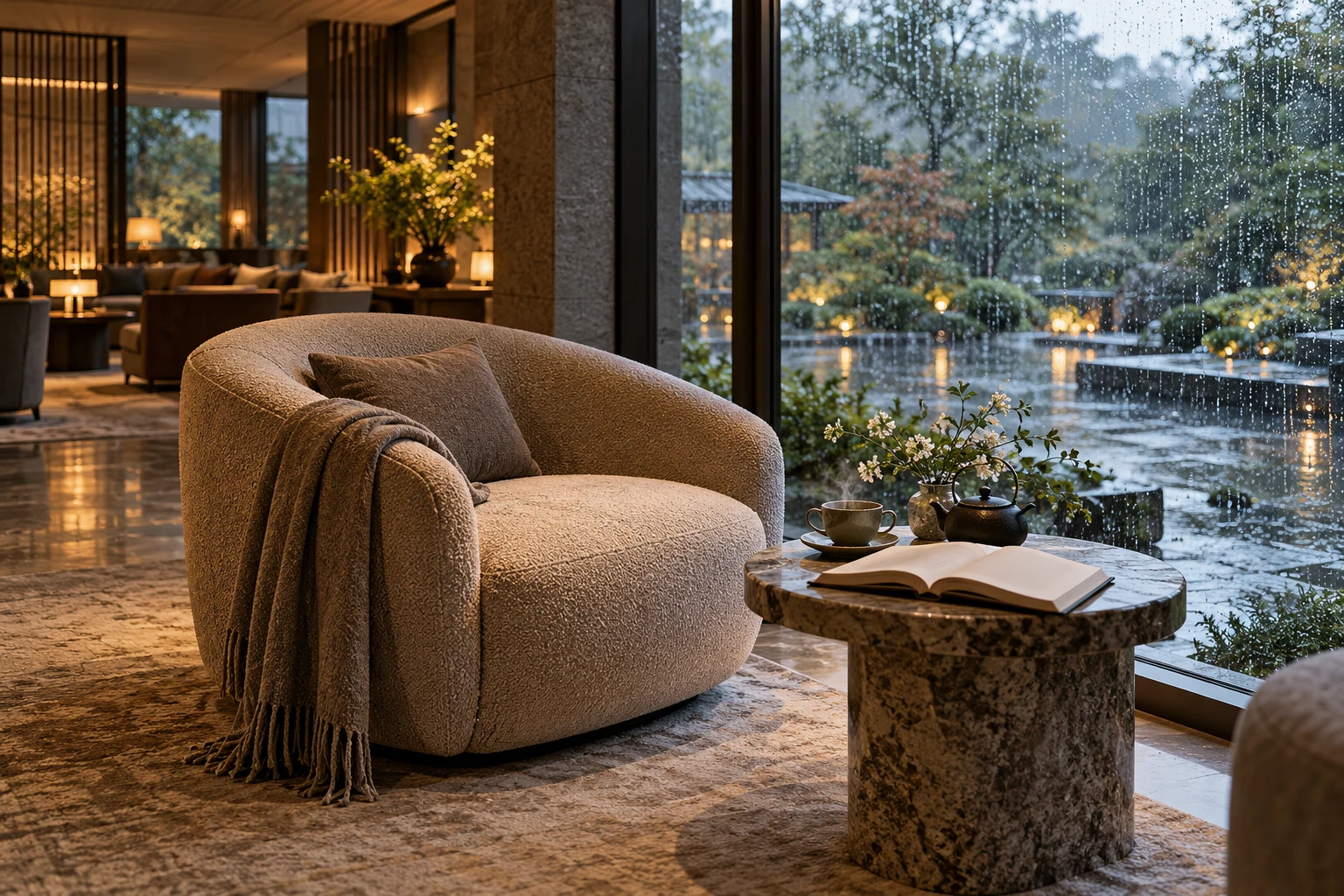
A three-hour checkout morning, without the rush
A practical 8–11 am plan for breakfast, packing and a short walk on a two-day trip. Work backwards from your actual checkout and transport times.

A practical 8–11 am plan for breakfast, packing and a short walk on a two-day trip. Work backwards from your actual checkout and transport times.
Count backwards from departure
Start with the time you must leave the room, rather than a list of things to squeeze into Sunday. Suppose checkout is at 11 am and your train leaves at noon. A target station arrival of 11:30, with a 20-minute transfer, leaves a small buffer. These are planning examples, not the hours of a particular hotel or transport service. Substitute the times on your own booking.
Finish three small jobs the night before
Check the journey home, set out the clothes you will wear and pack anything you no longer need. Keep chargers together and leave only morning essentials outside the bag. Confirm whether checkout requires a reception visit, and ask about breakfast hours and luggage storage. Fifteen minutes of preparation can prevent a frantic search through every pocket the next morning.
8–9 am: breakfast and a return to the room
Allow this first hour for eating and getting back upstairs. In our example, breakfast ends around 8:40, leaving time to change shoes or collect a jacket. If the queue is long, shorten the walk rather than assuming checkout can move. A takeaway breakfast can also work where permitted. Avoid turning this meal into a second itinerary with a long journey and another wait.
9–10 am: one nearby destination
Choose somewhere you can reach in roughly fifteen minutes: a riverside bench, beach access or a small park. Set a return trigger, such as turning back at 9:25 even if you have not reached the destination. Adapt the route to the weather and everyone's mobility. Reading in the lobby is a perfectly good alternative; the aim is a manageable morning, not another collection of places visited.
10–11 am: collect the small things
Before closing the bag, check sockets, bathroom shelves, the bedside area and the refrigerator in a fixed order. Separate wet toiletries and keep travel documents easy to reach. A 10:40 departure from the room leaves room for a lift queue or reception formalities in this example. With a companion, divide the final room check and payment confirmation rather than repeating both jobs.
Record three times, then leave some space
Write down when you leave the room, when stored luggage must be collected and when you must depart for the station or airport. If late checkout is offered, confirm its actual time and any charge before changing the plan. Storage after checkout may be more useful than staying in the room longer. The spare time comes from moving small tasks out of the final half-hour.