A day without checking in: making time in hotel lounges
Distinguish public lounges such as Four Seasons’ Maru and The Shilla’s The Library from guest-access clubs. Build an unhurried day around tea, food, reading and conversation.
Distinguish public lounges such as Four Seasons’ Maru and The Shilla’s The Library from guest-access clubs. Build an unhurried day around tea, food, reading and conversation.
Choose a seat instead of a room
A hotel day does not always require an overnight booking. You might have a late breakfast, read, walk nearby and return for an evening conversation. But “spending the day” is not a right to occupy the same table indefinitely after a single order. Seating, reservations, return visits and ordering requirements depend on the venue and product.
Begin with the activity that makes the day worthwhile: a book, a long conversation or a short piece of work followed by lunch. Those purposes call for different table heights, light, spacing and sound levels. Duration alone is a poor measure of a satisfying visit. A well-chosen hour may suit the day better than a timetable filled from morning to night.
Public dining lounge or guest-access club?
A food-and-drink venue in a hotel and an executive or club lounge are different arrangements. Maru at Four Seasons Hotel Seoul offers lounge food and meals. The Library at The Shilla Seoul combines lounge and bar functions. Check their restaurant-style booking and ordering conditions directly.[1][2]
The Shilla’s Executive Lounge, by contrast, operates according to access entitlement, including packages with its benefits. Its official guidance also specifies age and guest conditions. Being a hotel guest or choosing a higher room category does not by itself establish access to every lounge. Where limited paid access exists for accompanying visitors, its conditions should not be treated as a general public-entry policy.[3]
Morning: give the day one centre
Our suggested first scene is an unhurried arrival. Maru’s official guidance distinguishes breakfast from all-day dining. Check the current menu and service for your date, and decide whether you want a full breakfast or only a drink. Arriving at a menu-change boundary can affect what is available, so describe the purpose when reserving.[1]
For reading alone, consider light and posture before choosing the most photogenic window. Glare or a low table may be uncomfortable. For conversation, notice the distance between seats and sound from neighbouring tables. Ask for the actual condition you need—a view, a dining-height table or somewhere suited to talking—and distinguish a seating preference from a confirmed arrangement.
Midday: leave some time outside
A nearby exhibition, bookshop or short walk can give the hours between breakfast and tea a different rhythm. Returning later also lets you experience the room in different light. Do not assume you can reserve a table with your possessions while leaving for a long interval. Ask whether a second visit requires another reservation and whether luggage storage is available.
Keep the walk modest if rest is the purpose. Choose a route around the weather and intended return time. A large lobby does not make every seat an unrestricted waiting area. One book or one exhibition can be enough; adding more destinations may turn a quiet day into another demanding sightseeing schedule.
Afternoon: read the tea set beyond its photograph
Compare what an afternoon-tea service contains: drinks, refills, changes of tea, savoury items, sweets, ordering requirements and seating duration. A seasonal photograph may describe a product no longer sold. Verify the current service instead of relying on an older search result.
Describe preferences precisely. You may want a less sweet drink, a smaller amount of dessert after lunch or an alternative to a particular ingredient. The venue must confirm whether substitutions or allergy accommodation are possible. When the food arrives, enjoy its temperature and aroma before feeling obliged to photograph it. A memorable afternoon does not depend on choosing the tallest stand or the largest set.
Evening: a room can change its purpose
The Library’s official introduction includes live music alongside its lounge-and-bar identity. Confirm performance dates, times, seating and any event-related changes. A room suitable for daytime reading may become more sociable in the evening. Decide what you want from that later visit instead of expecting a fixed level of quiet throughout the day.[2]
Alcohol is optional. Ask about alcohol-free drinks and tea, and agree with companions on whether the evening involves a meal, dessert or only conversation. Respect other guests’ privacy and obtain permission before recording performers. The quality of the visit depends partly on how everyone shares the room, not only on the furniture or service.
Bring work with a clear limit
A hotel lounge is not automatically a laptop workspace. Check power, table height, connectivity and any area suitable for calls. If video meetings or prolonged conversation on the phone are essential, a meeting room may fit the task better. A broad table in a promotional image does not establish a right to use it as an office.
Keep private information off visible documents and screens, and avoid spreading equipment into surrounding space. When asking about a longer stay, explain the expected duration and intended orders. Choose a space that suits the task rather than trying to work around its rules through repeated small purchases. Your work should not become the dominant sound of somebody else’s break.
A sample day, not published service hours
As a planning example, have a first meal around ten, settle the bill and walk before noon, see a nearby exhibition or bookshop, then return for a prearranged tea around four. Leave an interval before an evening meeting. These are suggested times only; adapt them to the venues’ actual services and seating limits.
A day beginning at Maru and continuing at The Library also includes travel between two hotels. Choose that only if comparison is part of the purpose. For rest, one hotel and its neighbourhood may be enough. If food and transfers begin to feel tiring, keep only the afternoon visit.
Reading alone and meeting a friend call for different orders
For reading, consider appetite and intended duration before choosing a large set. Too much food can make managing the meal the centre of the visit. For a reunion, a shared meal may suit the conversation better. Compare the cost with the actual purpose.
Discuss dietary needs, budget and finishing time with your companion before committing. Agree whether the meeting is for tea or food rather than assuming an elaborate service is welcome. Explain the intended duration when booking and ask again if you later hope to stay longer. A simple plan leaves more attention for the person across the table.
Observe a seat before settling in
If there is a choice, notice entrances, service routes and the direction of music. A seat away from the window may be better for conversation; one near an entrance may be easier to reach but busier. Briefly compare the photograph’s ideal with today’s purpose.
For reading, check glare and a comfortable place for the book. For eating, consider the relationship between chair and table. Politely request another available seat if needed. The aim is comfort during the permitted visit, not a strategy for occupying a table indefinitely.
Calculate the day you actually want
Without a room booking, a lounge day still has food, drink, transport and potentially parking costs. Compare a day with breakfast, tea and evening service against a single meal. Confirm taxes, service charges, parking arrangements, deposits and cancellation conditions. Choosing an expensive set merely to justify staying longer may work against the point of the visit.
At the end, remember the comfortable moment rather than counting the services used. A morning window, afternoon tea or evening music can be enough on its own. Keep that particular time as the reference for another visit. The lounge can become a useful address for a brief pause in the city, without requiring an elaborate occasion every time.
Sources and editorial note
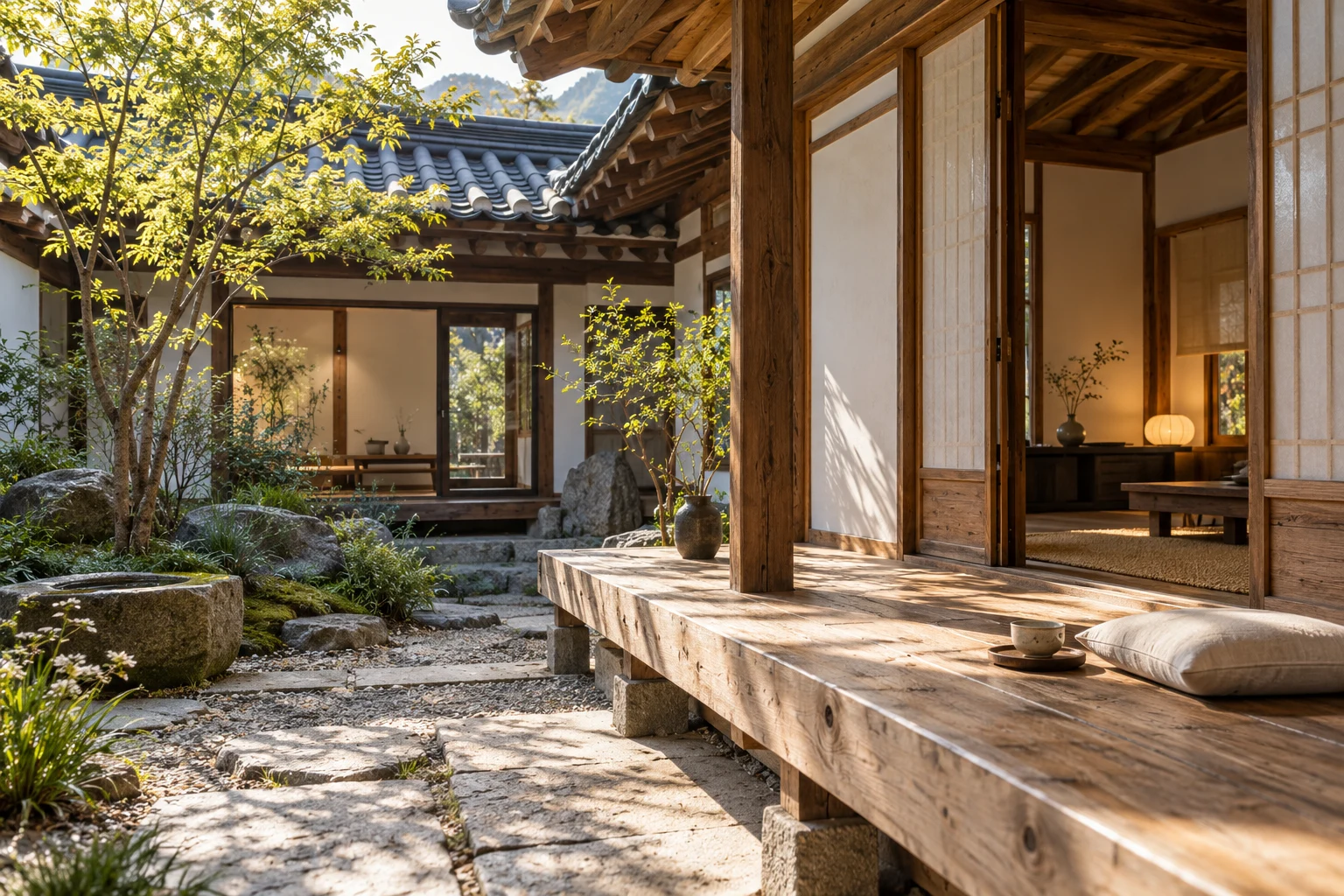
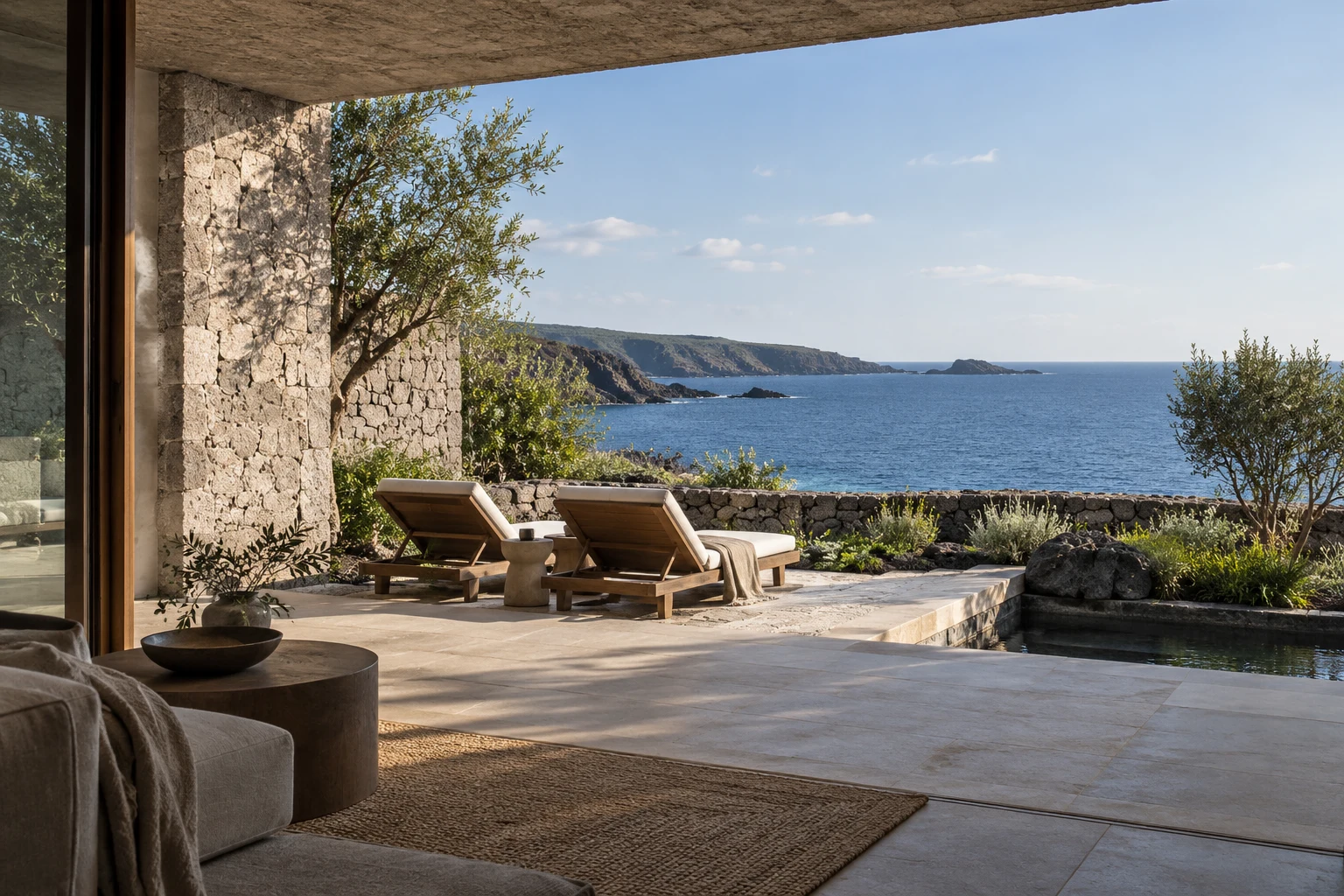
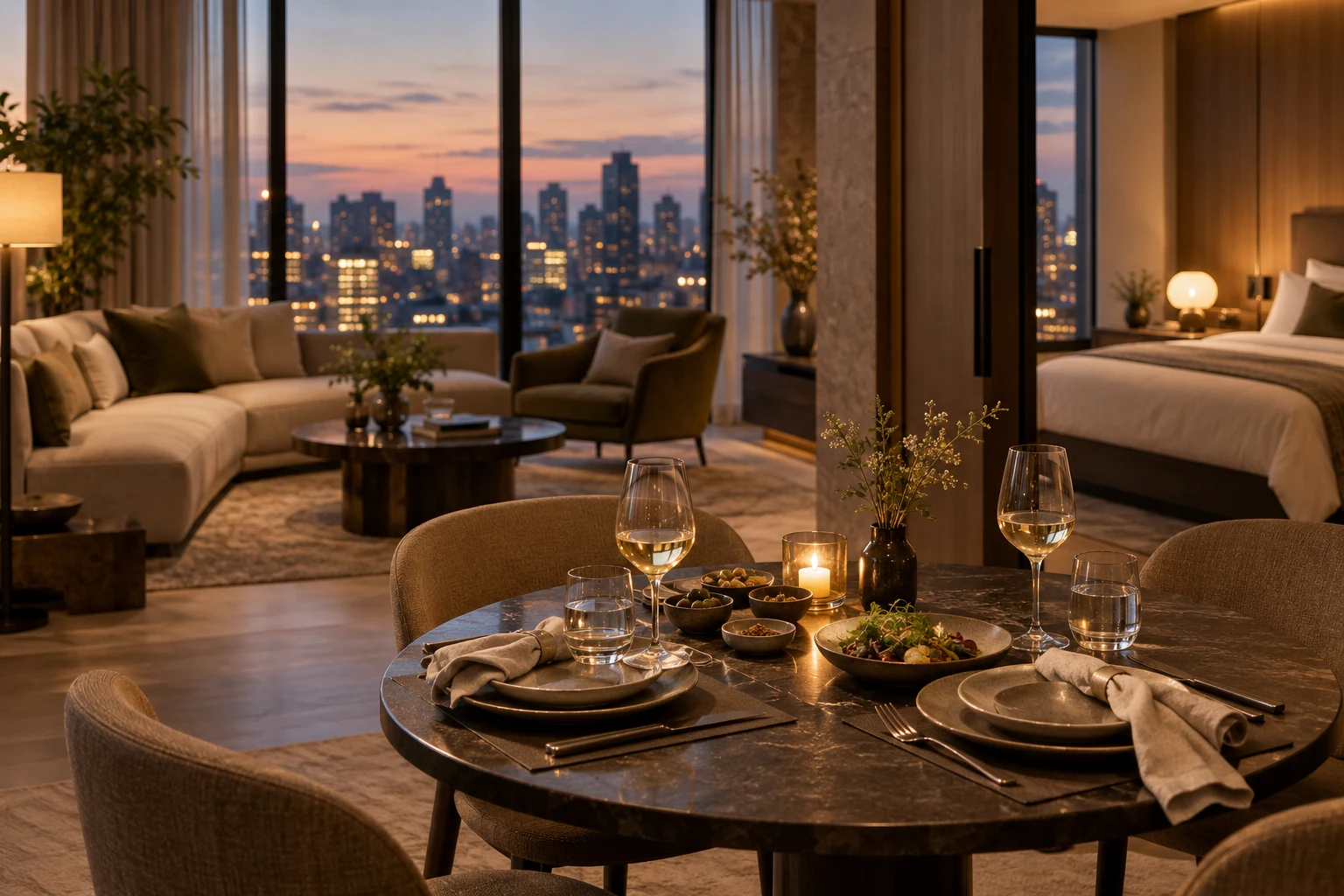
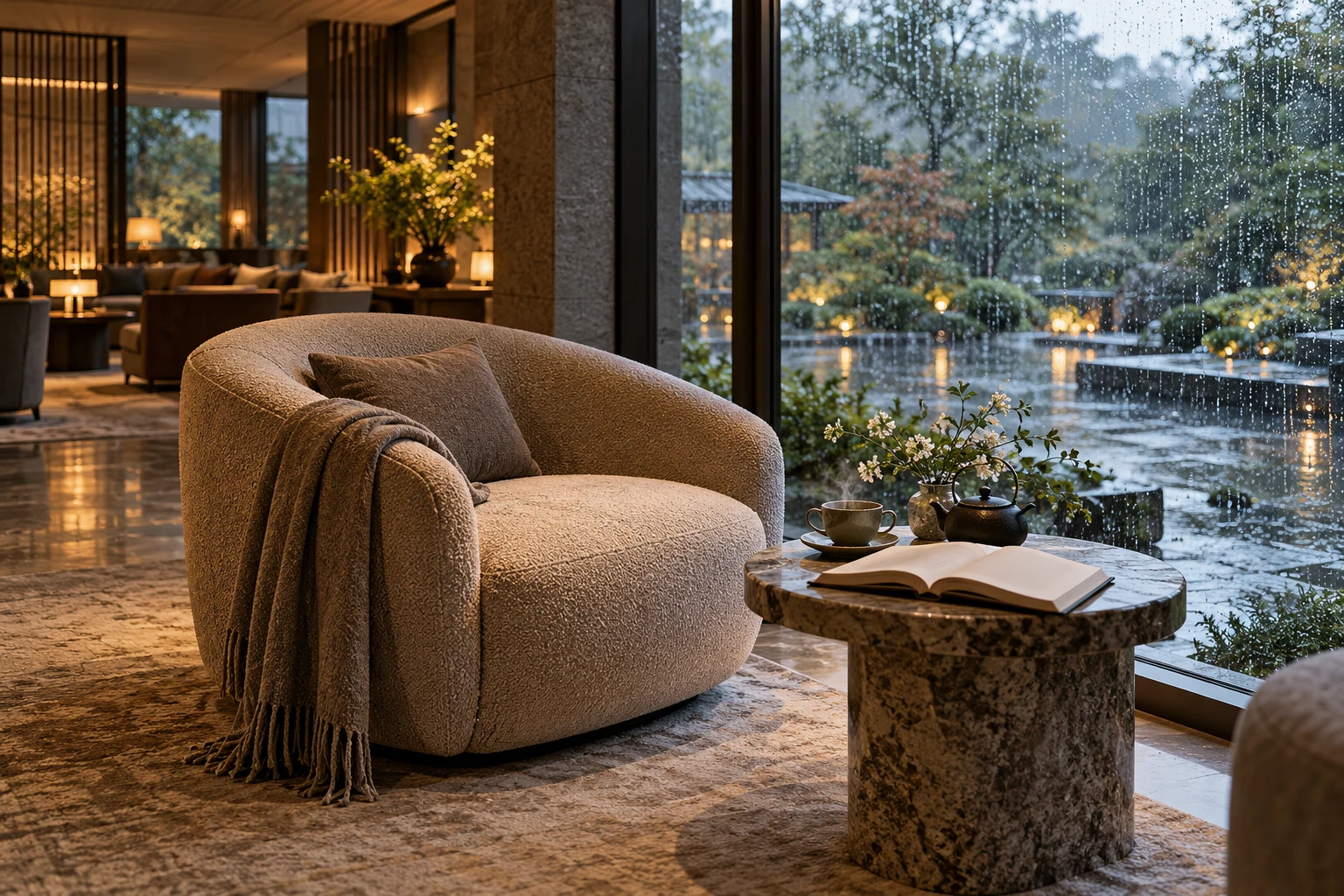
The cover is an AI-generated editorial illustration. It is not a documentary photograph of a particular place, product or person discussed in this article.
Sources checked on 1 November 2026. This article combines the public sources below with our own framework for choosing and observing. It is not a first-hand stay, visit or service review. Confirm current arrangements and availability directly for your intended date.
[1] Four Seasons Seoul — Maru · View source: www.fourseasons.com
[2] The Shilla Seoul — The Library · View source: www.shillahotels.com
[3] The Shilla Seoul — The Executive Lounge · View source: www.shillahotels.com