A two-hour city walk starts with one small neighbourhood
Pick a starting point, one place to look closely and somewhere to sit. Use a roughly 1 km radius as a planning boundary, not a walking target.
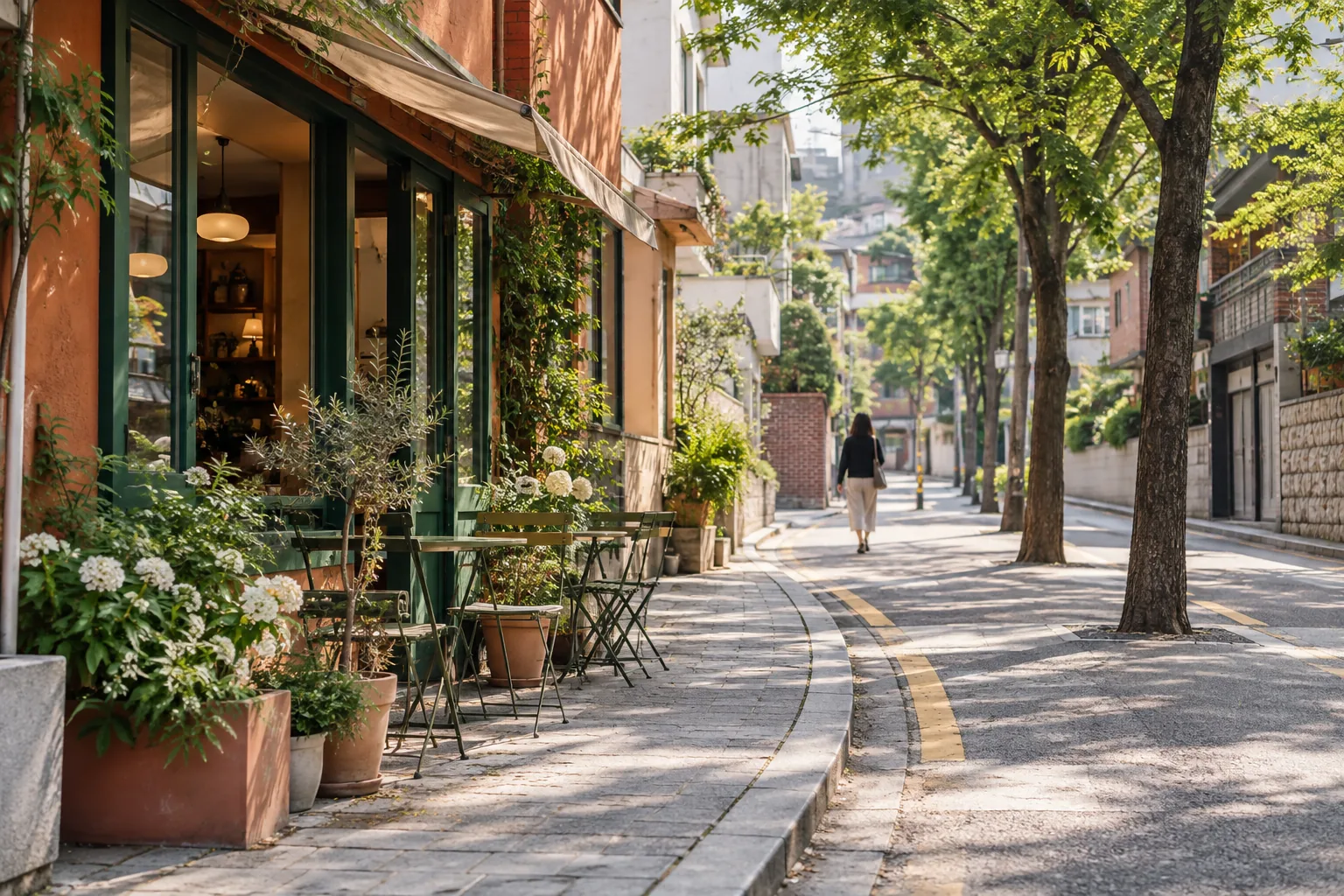
Pick a starting point, one place to look closely and somewhere to sit. Use a roughly 1 km radius as a planning boundary, not a walking target.
Choose where you will return
A hotel or station makes a useful starting point because it is easy to find again. Look first within roughly a 1 km radius; that is an editorial planning limit, not the distance you must walk. Rivers, railway lines, steep streets and large roads can make nearby map pins far apart on foot. Check the actual pedestrian route and reduce the area to suit your pace and access needs.
Draw a loop with three purposeful stops
Mark A, your start; B, the place you most want to see; and C, a place to rest. Connect them into a route back to A. A bookshop, a small square and a different street home can be enough. Check official opening information before leaving. A robust walk still works if one venue is closed, rather than depending on a single doorway.
Budget time beyond the map estimate
One possible allocation is 25 minutes walking, 20 observing, 15 moving on, 25 resting, 25 returning and 10 spare. Crossing roads and stopping for a photograph are real parts of the outing. If you have not reached the rest stop after about seventy minutes, consider shortening the next section. These figures are flexible examples, not a pace requirement.
Look for one thing at a time
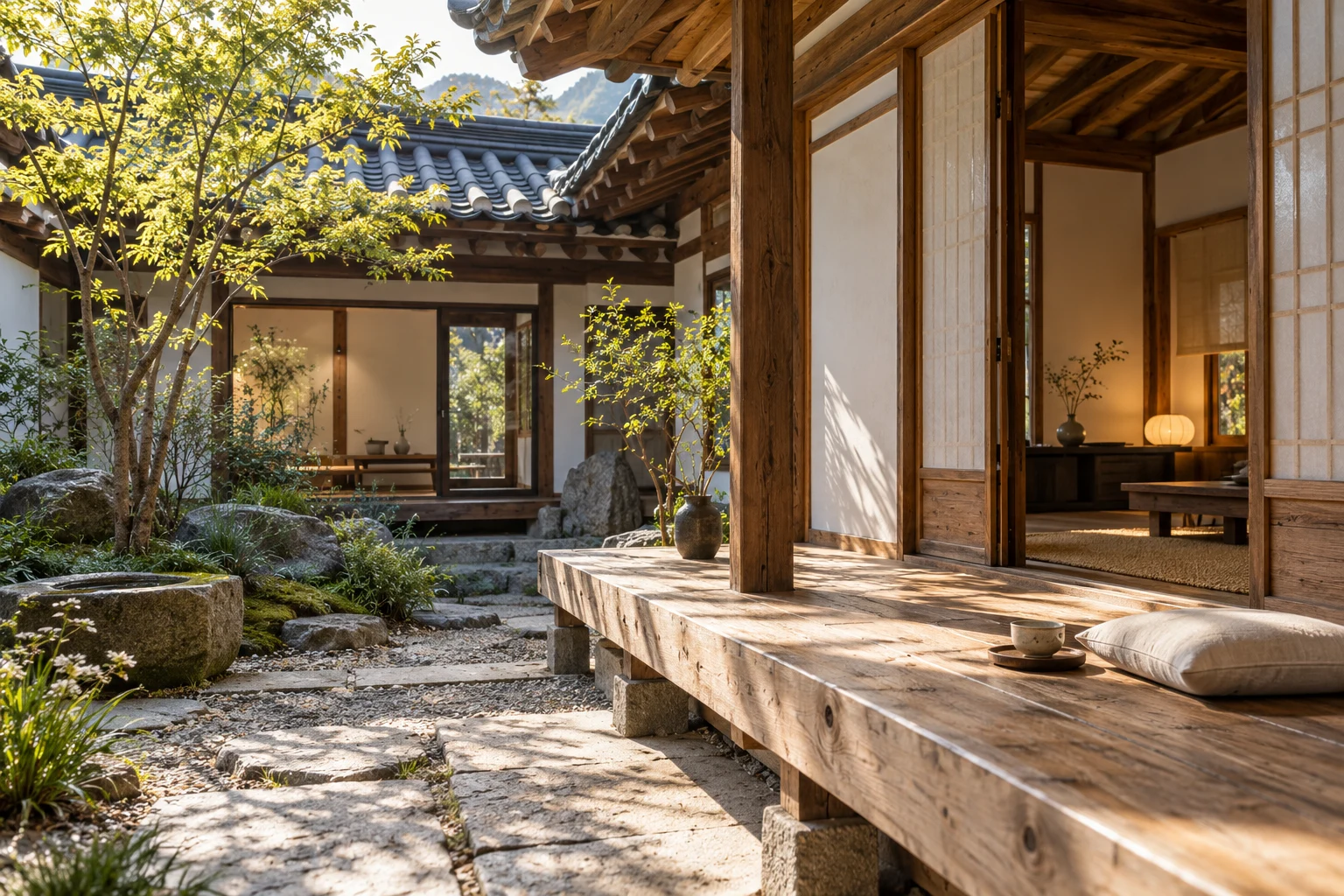
On the first stretch, notice doorways; on the next, window heights; on the return, the colours of walls. Changing the question can reveal differences within the same street. Take a photograph without entering private space or blocking a pavement, then put the phone away. A precise note about what you saw is often more useful than an instant verdict on the whole neighbourhood.
Choose a rest stop for sitting
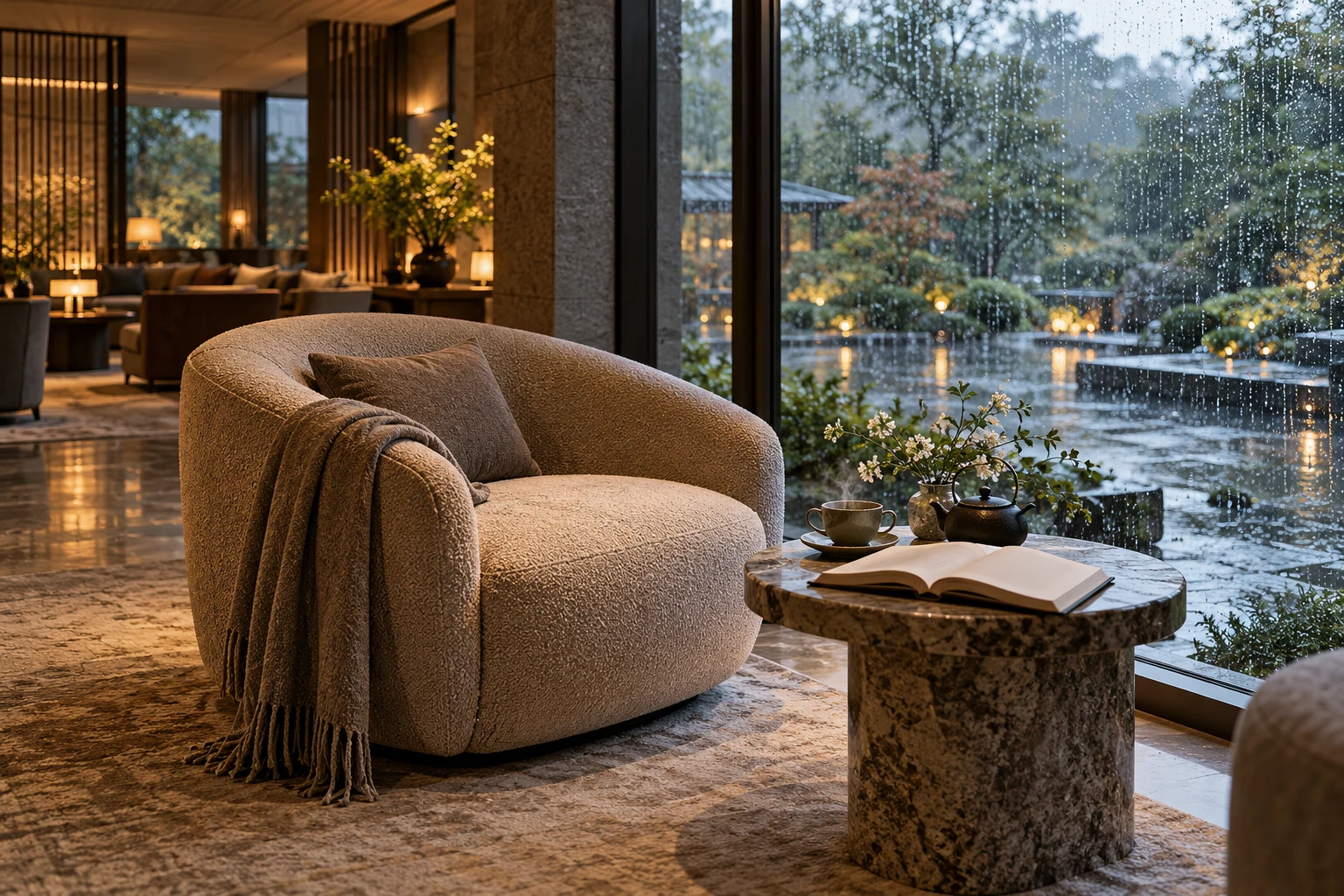
Look for somewhere you can comfortably spend twenty minutes, rather than the most photogenic drink. Consider shade, wind, noise, seating and any need for water or a toilet. Keep an alternative nearby in case a cafe is full. While sitting, identify one detail you would like to see again instead of adding another destination to the route.
Keep three lines and a question
Save a location, a remembered scene and something to ask next time. For example: the lane east of the station; a long timber bench under a low window; what light reaches it in the evening? You do not need to rank the city's best places. A small, repeatable route and a few clear observations are enough to make a return visit interesting.