Art
Buying your first artwork: from the wall to the record
Consider the object, edition, documentation and complete cost, then plan transport, rights and care. A first acquisition becomes easier to judge when its practical questions are visible.
THE JOURNAL / ART
Visual art, classical music and contemporary pop. Ways of looking, listening and keeping a useful record.
Consider the object, edition, documentation and complete cost, then plan transport, rights and care. A first acquisition becomes easier to judge when its practical questions are visible.
Connect a gallery walk with an art-fair visit through a manageable route, better conversations and records worth revisiting. Leave with a clearer memory of the work that mattered.
Begin with the Vogels, then build an observation notebook, relationships between works and a practical system of care. A collection starts taking shape before the first invoice.
Use credits to find the next listening question. Map participants by role, then check what connects two songs carrying the same name in their credits.
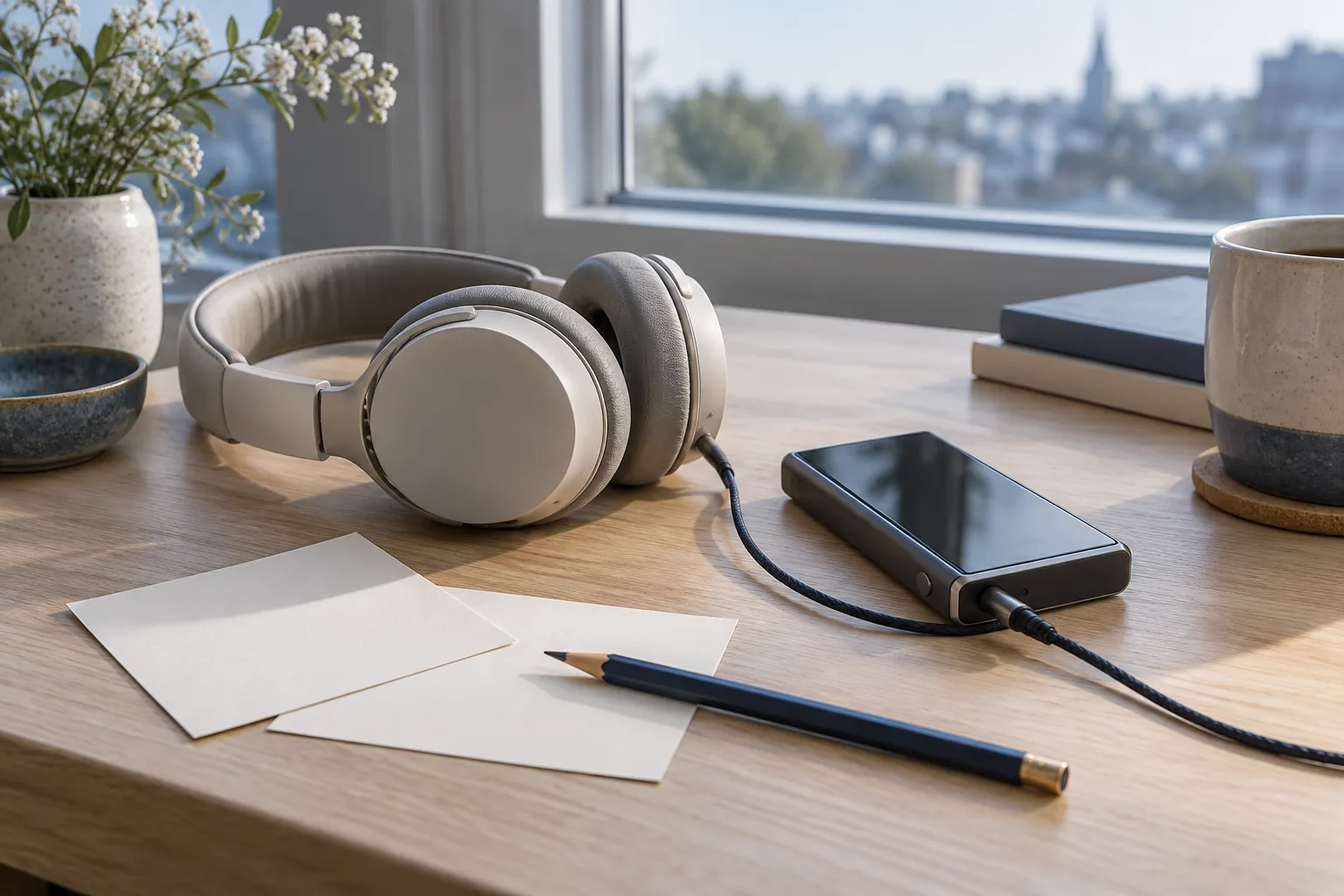
Listen to a song’s design as well as its words. Follow returning sections, a layer behind the voice, and the space just before a change, one play at a time.
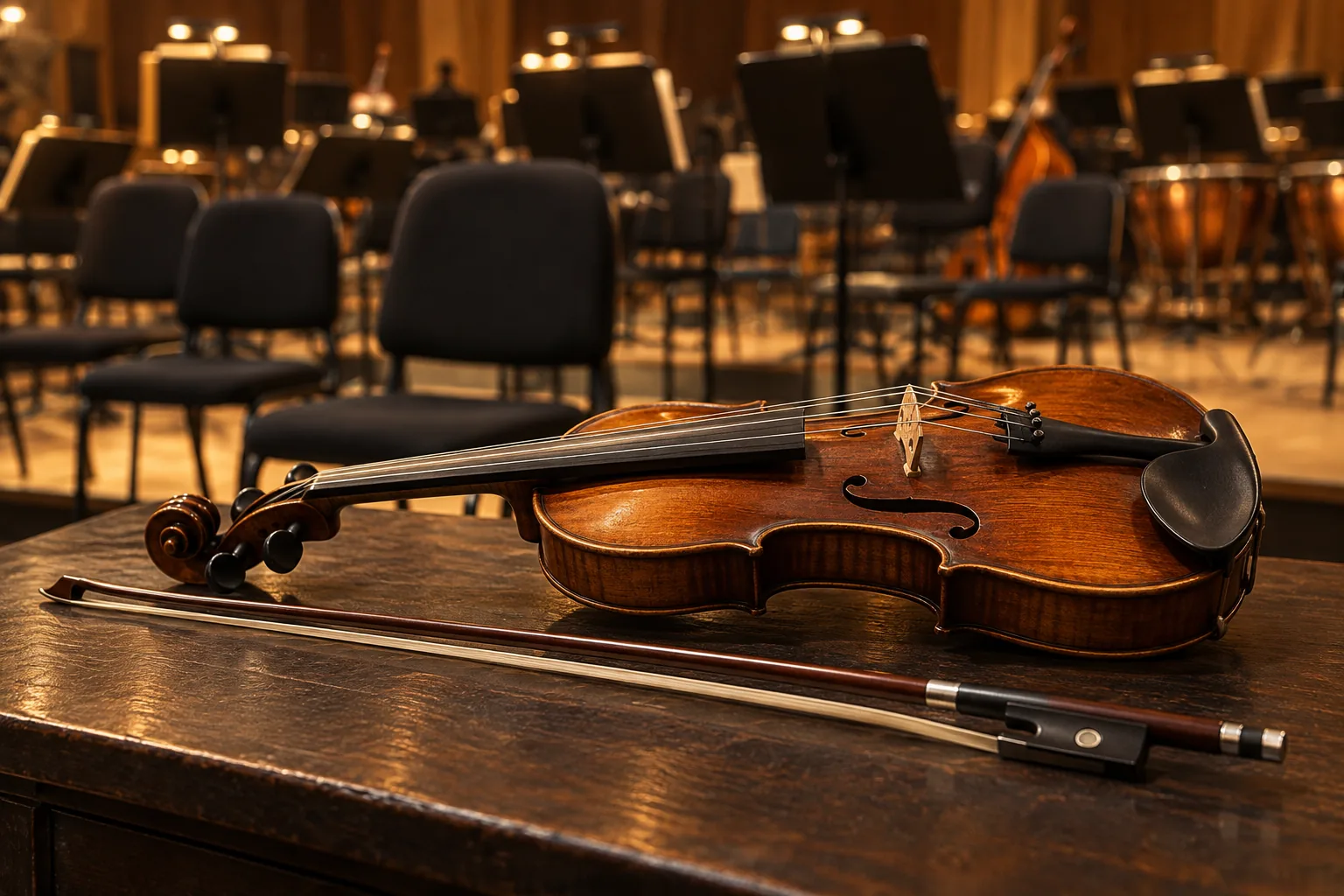
Before choosing a favourite, make the comparison useful. Match the movement, alternate between a beginning and a transition, and separate performance impressions from recording impressions.
Go beyond the famous opening. A listening notebook for noticing where a short motif returns, and how its sound, register and surrounding space change.
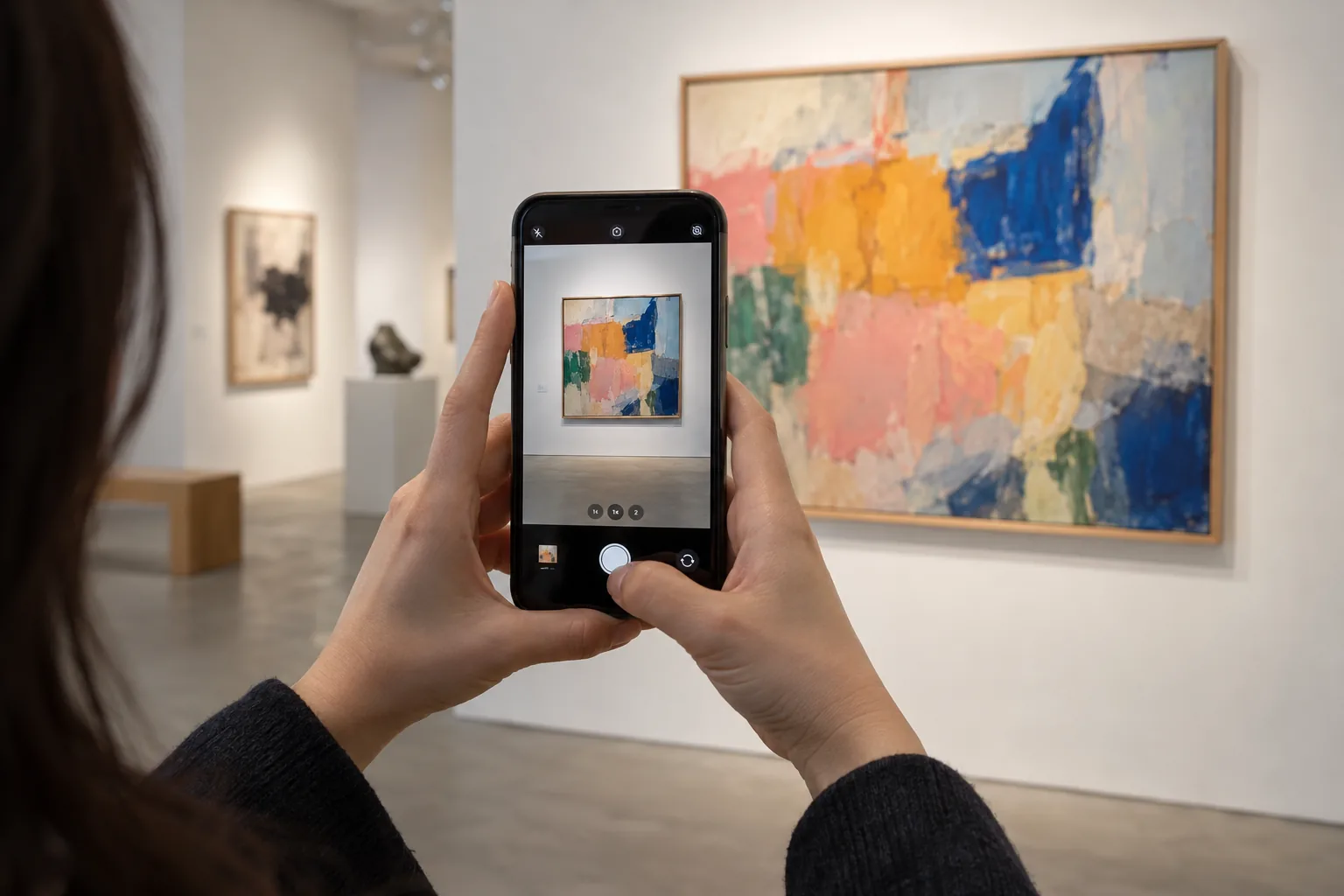
Check permission, make one complete view, add a detail and record the title. A useful gallery photograph needs context as well as pixels.
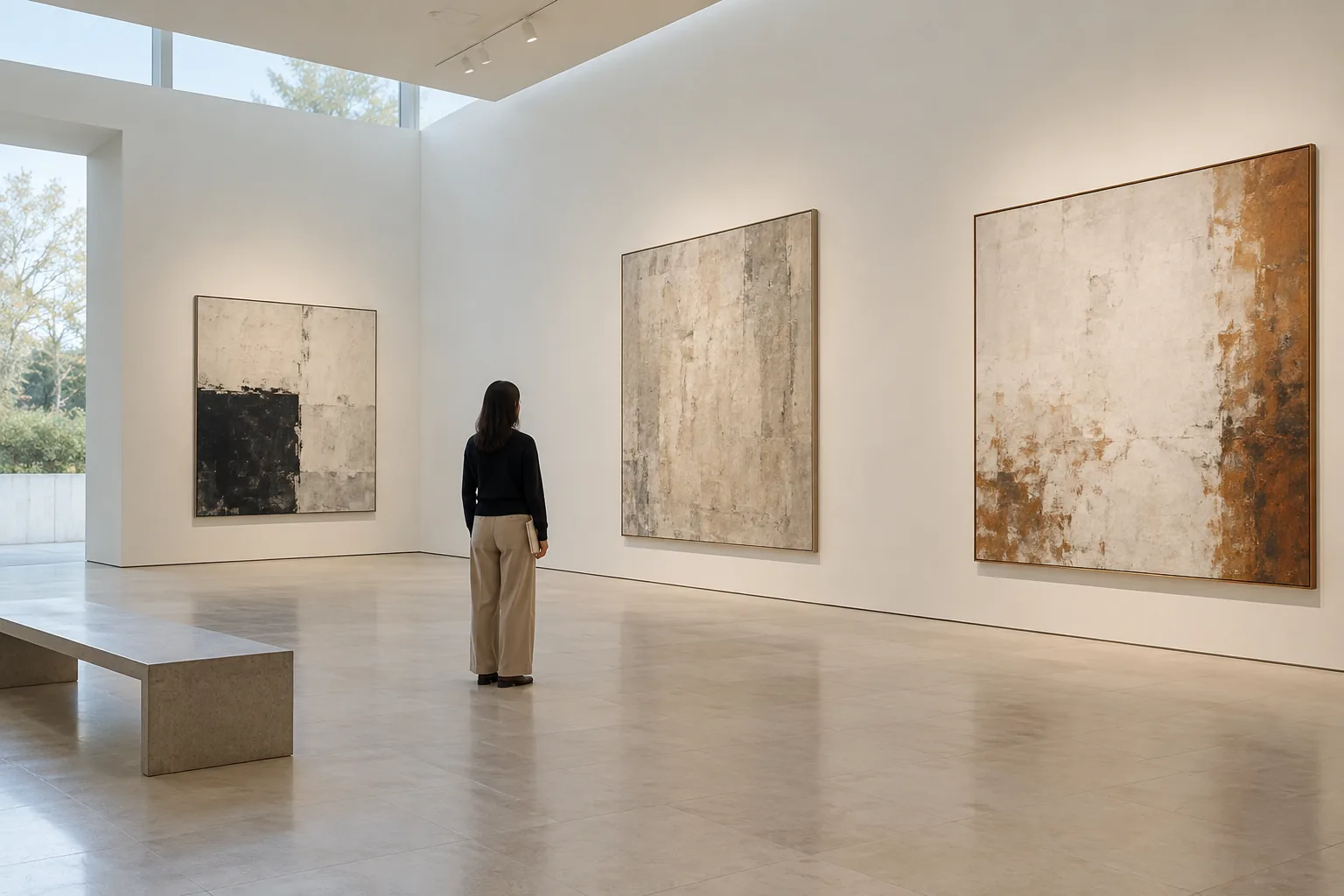
Choose a few works to look at carefully. Separate observation from interpretation, read the label, then return with a new question.
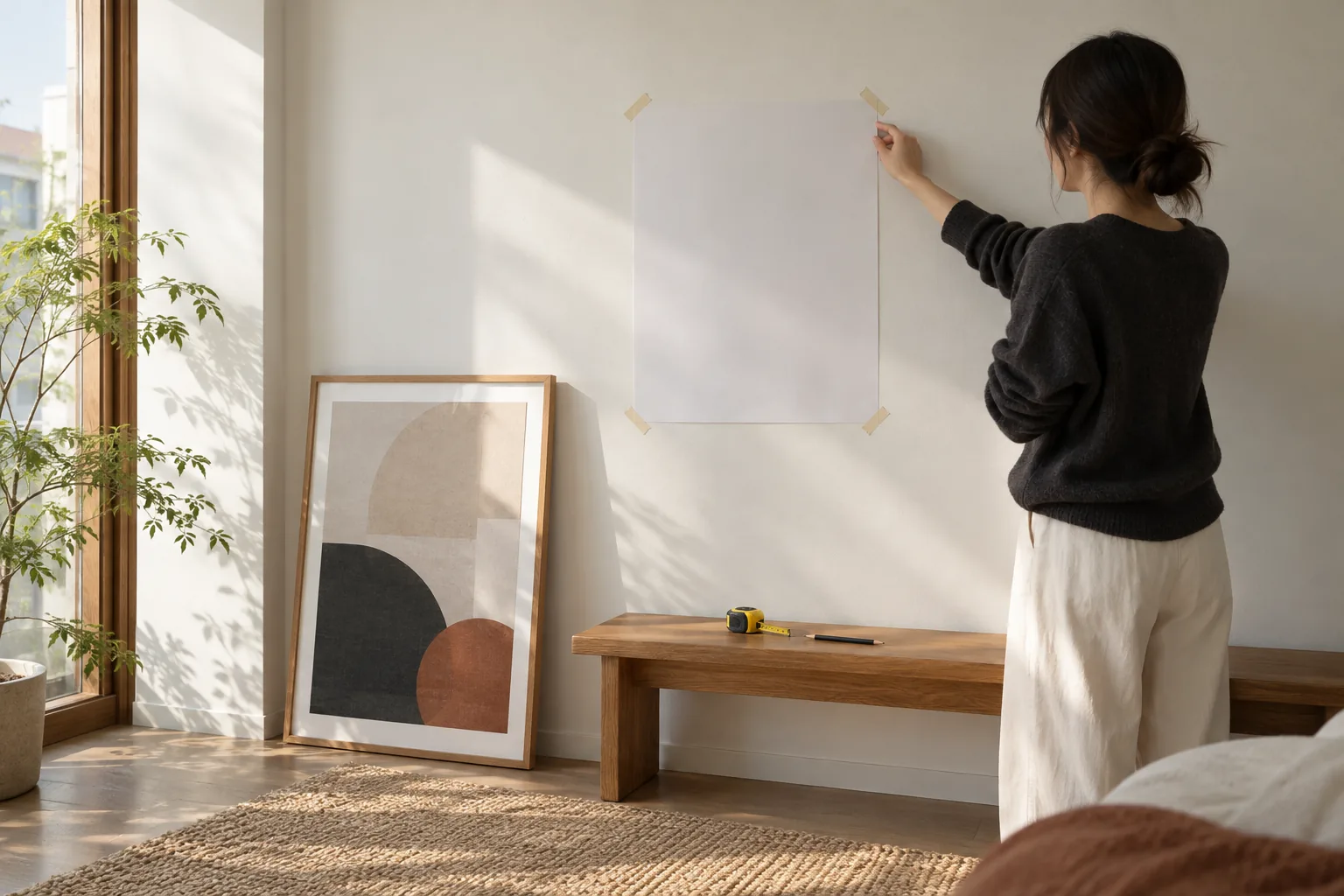
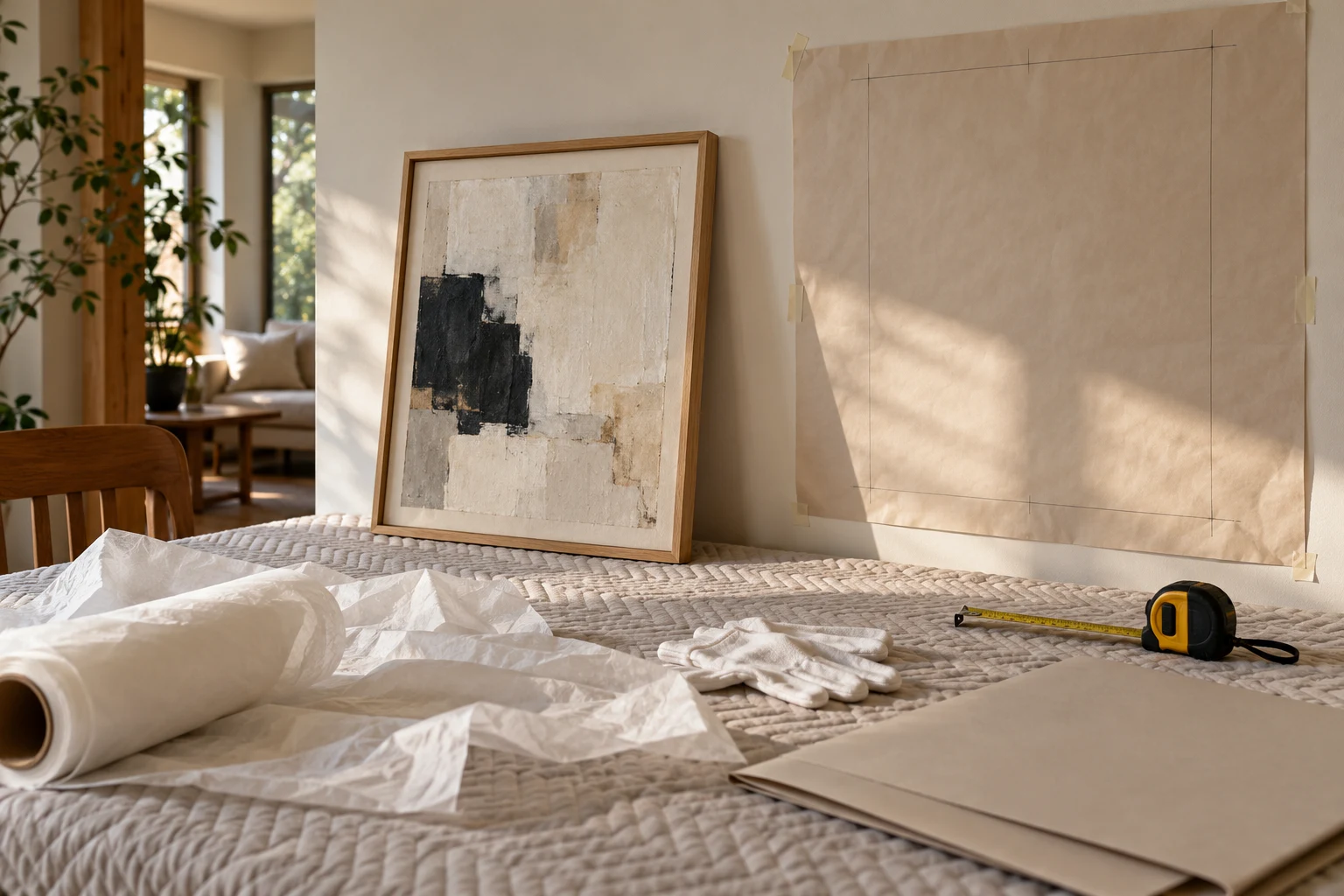
Paper size is not frame size. Use a full-size paper template, consider the glazing gap and check the wall in different light before ordering.