Reading a Scotch whisky label: single malt, blends and age statements
Read the category and alcohol strength before the large number on the bottle. A practical note on what single malt, blended malt and a stated age actually tell you.
Read the category and alcohol strength before the large number on the bottle. A practical note on what single malt, blended malt and a stated age actually tell you.
Begin with Scotch rather than all whisky
This guide concerns products labelled Scotch Whisky. The Scotch Whisky Association describes production and maturation in Scotland, at least three years of maturation, and a minimum bottling strength of 40% ABV. Do not transfer those requirements to every whisky made elsewhere. Write down the exact product name and category first. That modest step helps separate information the bottle actually provides from assumptions about whisky as a single worldwide production method. Reference: View source: www.scotch-whisky.org.uk
Single malt points to one distillery
In the association’s classification, single malt Scotch comes from one distillery, uses malted barley without other cereals, and is batch-distilled in copper pot stills. ‘Single’ does not mean the bottle came from only one cask. A single distillery and a single cask are different claims. If the confirmed wording is Single Malt, record that much. Check any separate Single Cask description against the producer’s official product information rather than adding it to the note by assumption.
Keep blended Scotch and blended malt separate
Blended Scotch combines single malt and single grain Scotch whiskies. Blended malt combines single malts from different distilleries. That extra word, Malt, therefore matters when transcribing a label. Neither category is a quality ranking or a complete guide to price. Understanding the classification and discovering a preferred aroma are separate activities. Copy the wording actually shown and check it again for the next product, even if the two bottles share a familiar brand name or sit beside each other on a menu.
Twelve years is not an average
A Scotch age statement refers to the youngest whisky in the product, rather than the average age or its oldest component. The Scotch Whisky Association’s guidance for producers and bottlers explains this principle. A bottle without an age statement does not reveal an exact age simply through its label. Nor does the absence of a number remove the minimum maturation requirement for Scotch described above. Keep ‘age not stated’ as an honest entry instead of guessing a number from colour or price. Reference: View source: www.scotch-whisky.org.uk
Give strength and cask descriptions their own fields
ABV states alcohol strength; it is not a score for complexity or personal enjoyment. If cask or finish information appears, copy the description separately from the age statement. Do not invent a full maturation schedule or cask proportions that the product information does not give. Two expressions from one brand can have different names and strengths. Where possible, use the producer’s exact product details to supplement the short name on a bar menu, keeping unconfirmed information visibly unconfirmed.
Leave five verifiable lines
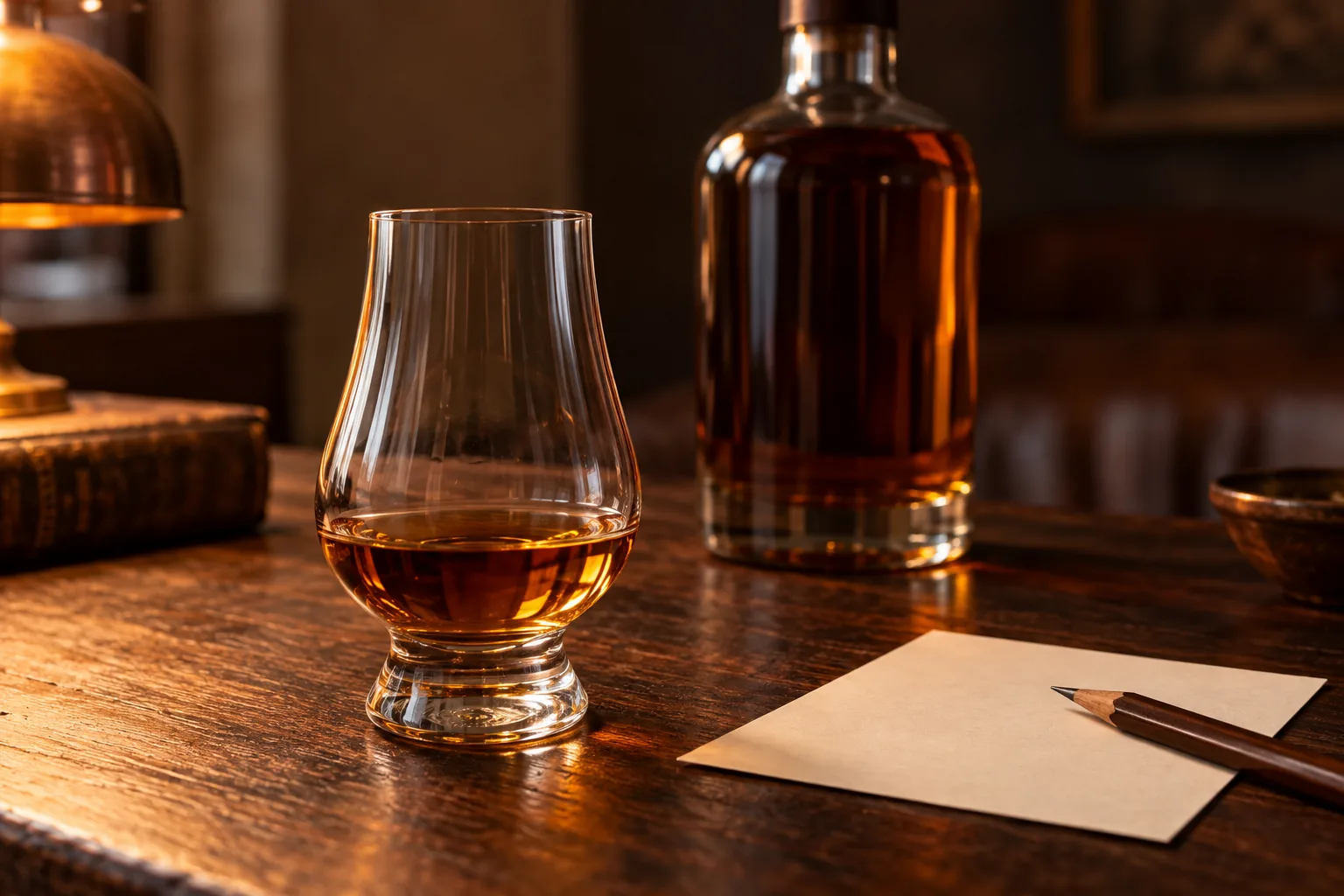
Record product name, Scotch category, ABV, presence or absence of an age statement, and cask description with its source. If you have experienced its aroma, separate ‘facts on the label’ from ‘my impression’. The next question can then be ‘another aroma within this category’ rather than automatically ‘something older’. References checked on 27 October 2026. This is label-reading material for adults of legal drinking age, based on the association’s official guidance; it is not a direct tasting review or an investment recommendation.