Galleries and art fairs: make one visit last
Connect a gallery walk with an art-fair visit through a manageable route, better conversations and records worth revisiting. Leave with a clearer memory of the work that mattered.
Connect a gallery walk with an art-fair visit through a manageable route, better conversations and records worth revisiting. Leave with a clearer memory of the work that mattered.
Start with one small purpose
An art-fair day quickly fills with booths, talks and recommendations. Before booking, write one manageable purpose: discover three unfamiliar galleries, compare works on paper at their actual scale, or find another artist connected to an existing interest. The purpose gives your attention somewhere to return when the floor becomes overwhelming.
If you intend to buy, consider medium, dimensions and a possible location at home. If you intend only to look, say so openly. An honest explanation of your interest lets the gallery shape a useful conversation; collecting information need not require pretending that a purchase is imminent.
The routes and questions below are editorial suggestions, not a report of an attended fair. They do not represent every gallery’s rules. Build the actual visit around the relevant edition’s official information, checking reservations, charges and photography policies for the places you choose.
An exhibition and a floor of booths
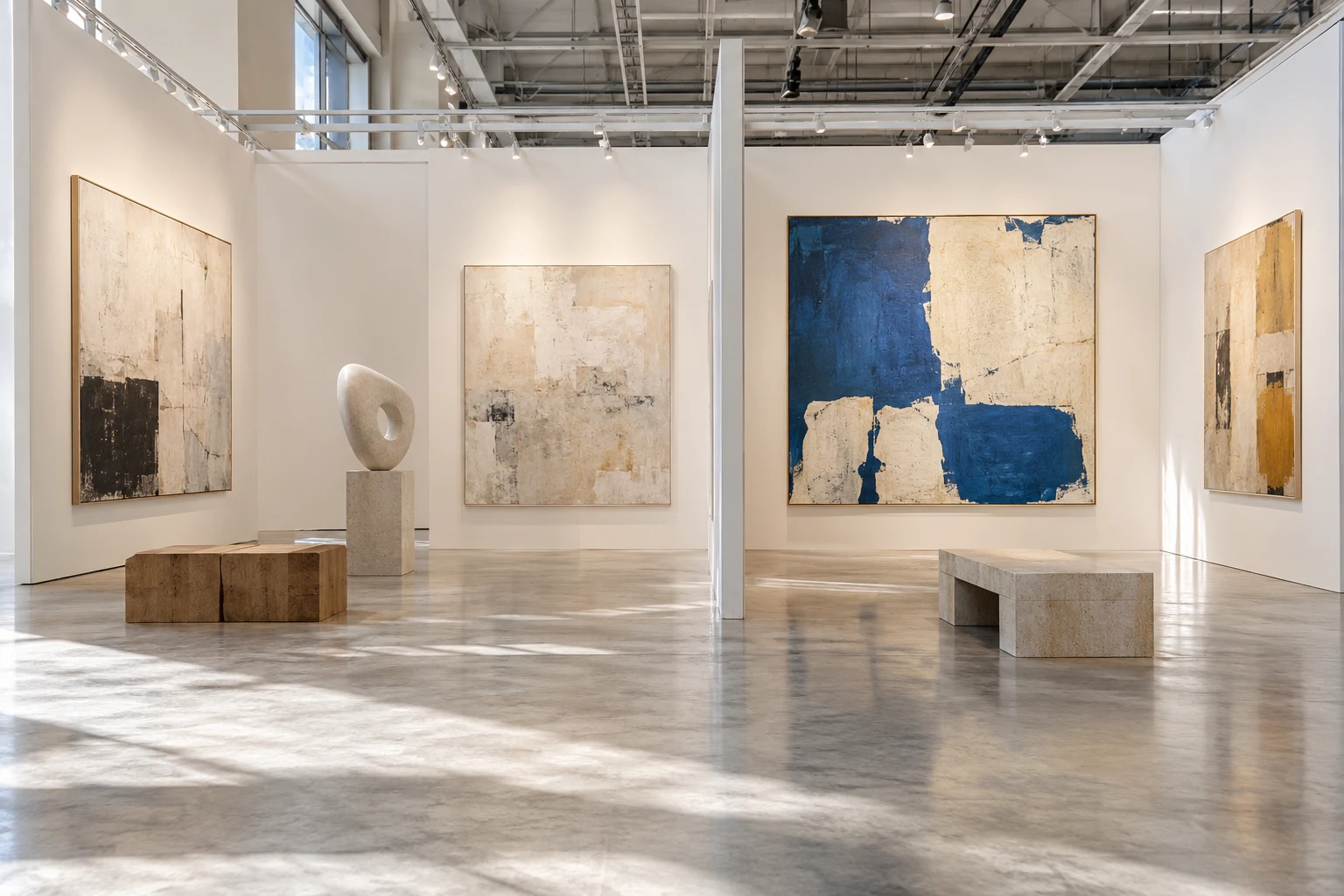
In a gallery, look at the exhibition title and the relationship between works. Does one change how you read the next? Even a short visit can attend to the sequence. A work’s neighbours offer clues to the proposition the exhibition is making, beyond the appeal of a single object.
At a fair, ask why a gallery brought this particular presentation. One booth is a useful introduction, not a complete account of the gallery’s programme. Later, consult its exhibition archive to connect the object you saw with a longer history of choices and artists.
Art Basel’s 2025 guide for new collectors recommends advance research and a route that combines priorities with unexpected discoveries.[1] Translate that into a short list and some unassigned floor space. Completing every marked booth is less useful than having room to stop when something changes your original plan.
In Seoul, read the edition and date first
As checked on 1 November 2026, official pages list Frieze Seoul 2026 for 2–5 September and Kiaf Seoul 2026 for 2–6 September. Both events have already ended.[2][3] An old booking button in a search result is not evidence of an upcoming event or a currently useful ticket.
For a future edition, confirm the year, date-specific entry type, venue and accessible halls. Combined admission, re-entry and preview access must be checked against that edition’s terms. A benefit from a previous year should not silently become an assumption behind the next trip’s timetable or budget.
Between fairs, Kiaf’s official archive provides routes into past exhibitors, special exhibitions and talks.[4] Follow an interesting name to its currently announced exhibition. A visitor staying in Seoul can then connect two nearby exhibitions with time between them, rather than making the whole trip depend on fair week.
Make two passes
Use the first pass for discovery. Cover one manageable area and note the numbers of booths worth returning to. Accurate locations matter more than a photograph of everything. When the list becomes crowded, sit down and choose roughly three places where you want to spend more time.
On the second pass, change your viewing distance, examine the surface and read the title and material. An initially dramatic image may become quickly resolved; a quieter work may grow more absorbing. Record that change in response without forcing yourself to decide which first impression was correct.
With a companion, separate briefly and then introduce one work to each other. This creates a genuine exchange rather than two people continuously matching pace. Build in a meeting point and a rest, while keeping circulation clear and respecting the privacy of other visitors.
Open a specific conversation
Begin with something you noticed: how was this surface made, where does the work sit within the series, or are there related works at another scale? You do not need command of every technical term. The purpose of a question is to sharpen interest, not to demonstrate expertise.
When considering a purchase, ask for the price and what it includes: tax, framing, transport and currency. Establish how long the quotation applies. If an item requires a separate estimate, request that it be marked as pending rather than building your decision around an assumed all-inclusive figure.
At a busy booth, obtain the work’s details and continue by email. State whether you want a purchase discussion, exhibition updates or both. A generous conversation does not create an obligation to buy. If you decide against proceeding, a clear and courteous reply is enough.
Keep the image with its identity
Where photography is permitted, retain the caption with the image: artist, title, date, medium and gallery or booth location. Record a quoted price and a description of condition separately from what the photograph itself establishes. Confirm wording and permission before publicly attributing a spoken statement.
Sort the notes into revisit, ask and pause. These are next actions, not rankings of artistic quality. Before posting, check the institution’s rules and relevant rights: permission to take a photograph does not by itself settle every later use of that image, especially commercial reproduction.[5]
If voice notes are easier, record them outside the exhibition area. Finish uncertain statements as questions. “Ask which pigment was used” is more reliable than an increasingly confident recollection of an unidentified material. On a crowded day, marking the gaps is part of preserving an accurate memory.
Put holds and commitments in writing
If you request a hold, establish its end time and conditions. Is a deposit required, is it refundable, and what process applies if you withdraw? Read the seller’s written terms. Another person’s interest does not replace checking the work’s details and your own spending limit.
Ask when you can examine the object and receive information about production, ownership, condition, signature and edition. Complex, high-value or cross-border transactions may need appropriately qualified advice. This visitor’s guide does not authenticate an object or resolve the legal terms of a particular sale.
A work may sell while you consider it. Decide whether you can accept that possibility. When avoiding loss becomes the only criterion, every proposition grows difficult to decline. Requesting information and following the artist’s next exhibition remain practical next steps even if this transaction never happens.
Protect attention with realistic access plans
Check lifts, seating, toilets, water and re-entry before arrival. If you use mobility aids or have sensory access requirements, ask what support actually applies to your route. A short accessibility statement is a starting point for practical planning, not confirmation of every individual need.
Allow for security checks, movement and meals as well as viewing. Bag storage and restricted-item rules vary; consult the organiser’s visitor information for the specific edition.[2] Knowing what to do with a coat, umbrella or large bag can prevent a small inconvenience from dominating the day.
Treat a break as the place to review the first pass and select the next three works. Talk about one memorable object with a companion, or simply let your gaze rest. A little unscheduled space helps the itinerary return to your own interests.
Leave yourself a next visit
At home, verify three memorable works before organising every image. Choose one to revisit, one you found difficult, and one you want to describe to someone else. If the choices overlap, note why. This small task can identify the next gallery and the next piece of reading.
A week later, add a question after consulting official material. If an account conflicts with memory, check its date and which work it describes. In an enquiry, name the artist, work and place of viewing, then request the specific missing information rather than an unspecified package of everything.
A worthwhile visit can leave a question in daily life and make the next exhibition easier to engage with. Move between the concentrated experience of a fair and a quieter gallery afternoon. Over time, the pace at which you look becomes an enjoyable part of the journey itself.
Sources and editorial note
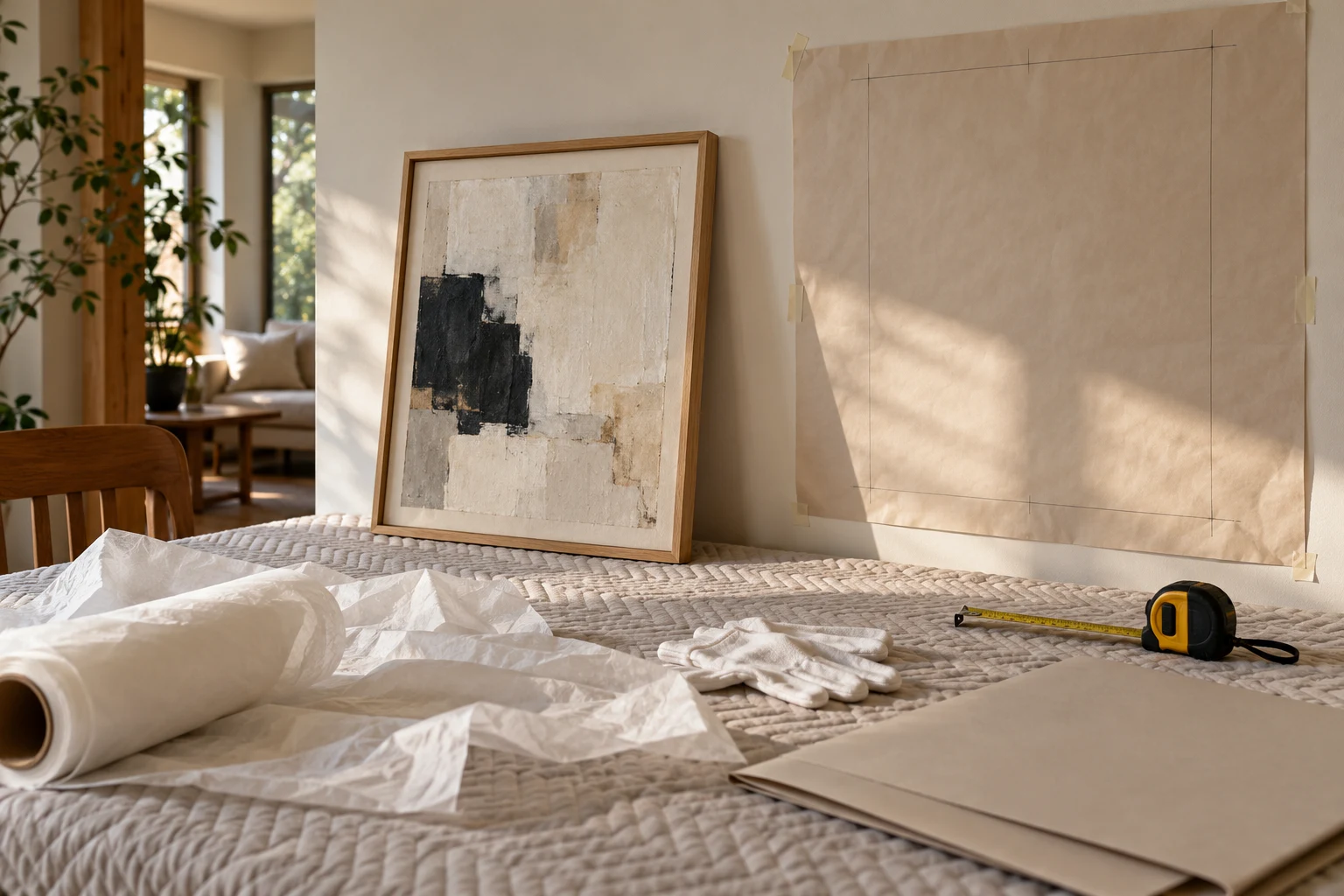
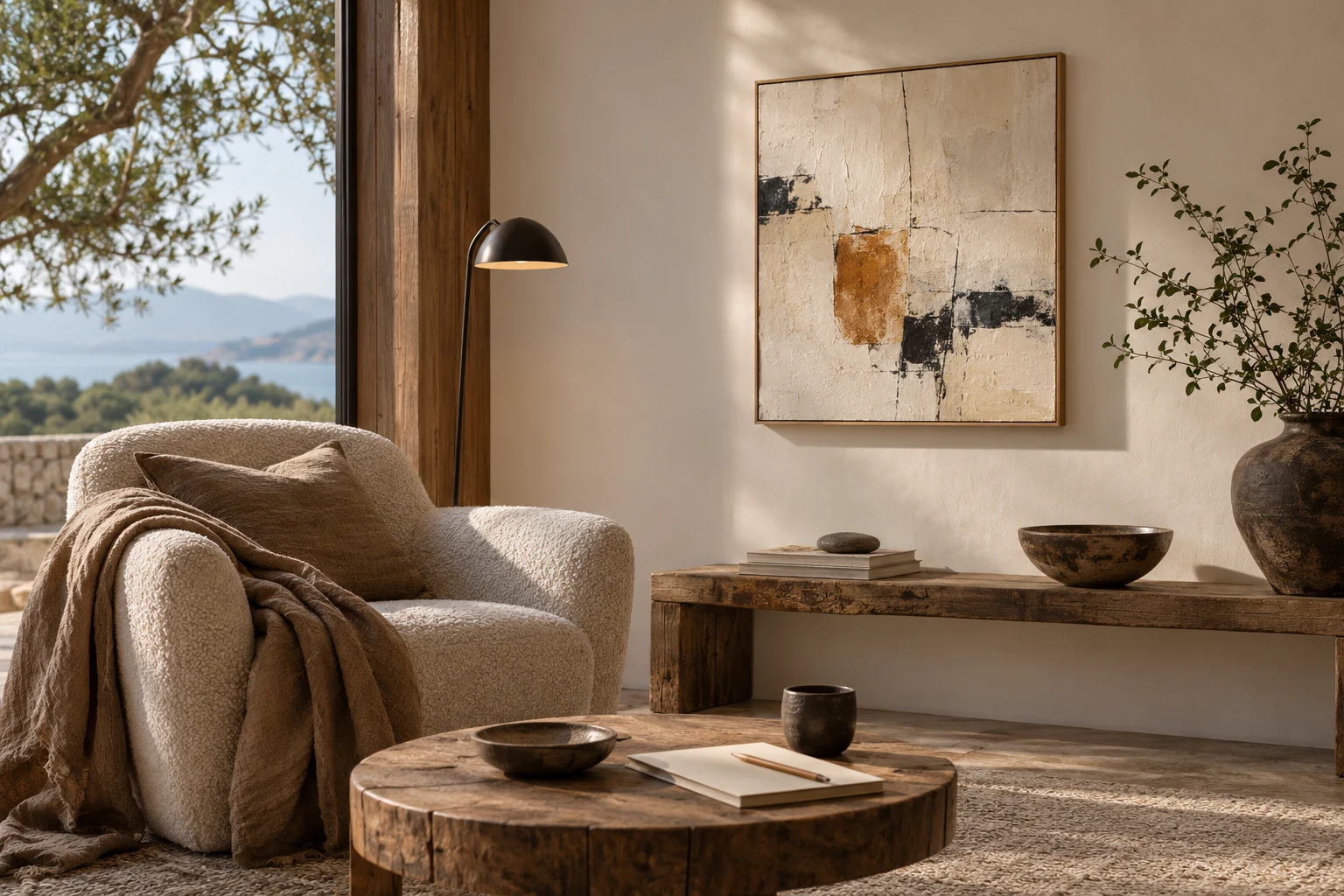
The cover is an AI-generated editorial illustration. It is not a documentary photograph of a particular place, product or person discussed in this article.
Sources checked on 1 November 2026. This article combines published primary sources with editorial examples; it does not report an on-site interview or authenticate, value or offer any particular artwork for sale.
[1] Art Basel — An insider’s guide for new collectors, 20 March 2025 · View source: www.artbasel.com
[2] Frieze Seoul — Visitor information · View source: www.frieze.com
[3] Kiaf Seoul — About · View source: kiaf.org
[4] Kiaf Seoul — Official archive and programmes · View source: kiaf.org
[5] WIPO — Rights assessed during clearance · View source: www.wipo.int