Beyond ‘bitter’: three columns for beer aroma, bitterness and carbonation
Do not rush from a first impression to a style label. Separate what you see, smell and feel, then leave a concrete note that helps explain the next choice.
Do not rush from a first impression to a style label. Separate what you see, smell and feel, then leave a concrete note that helps explain the next choice.
Choose a question before deciding the style
Instead of starting with ‘it is an IPA, so it must taste like this’, choose one sensation to examine. Cicerone’s evaluation guidance discusses appearance, aroma, flavour and mouthfeel, and cautions against deciding the style before completing the observations. Here, that framework becomes an informal one-page notebook. The aim is to explain a preference or an uncomfortable impression more clearly, rather than pass a style-identification exam. Reference: View source: www.cicerone.org
Write only what the appearance shows
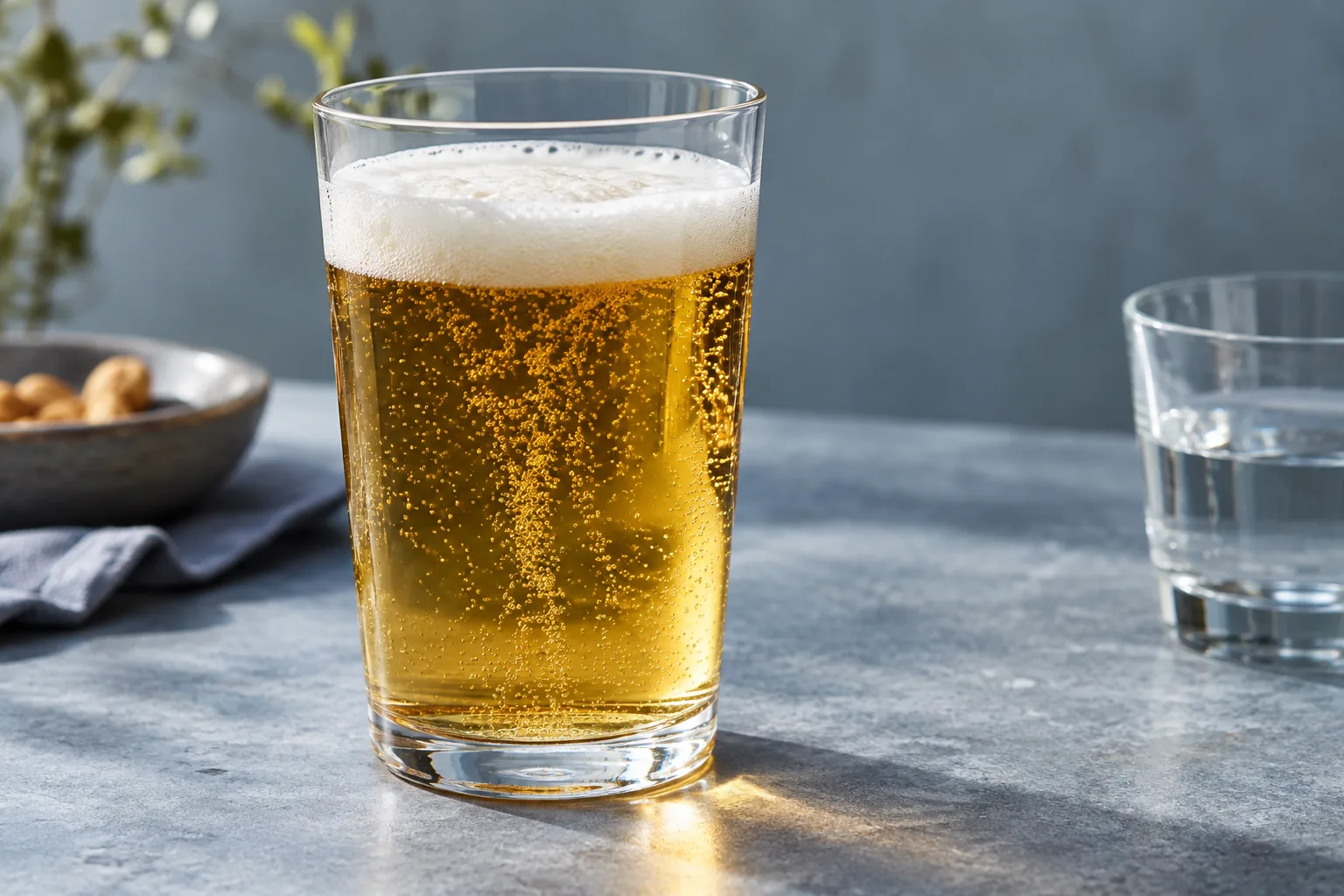
In a clean glass, note colour, clarity and the appearance of the foam. ‘Pale gold / slightly hazy / white foam’ is enough to begin. Do not use a dark photograph alone to establish strength or bitterness. Lighting and background can affect the impression, so a similar setting helps make later notes easier to compare. You may record how the foam remains over time, but one photograph cannot establish everything about how the beer was stored or handled before it reached you.
Give aroma and bitterness different lines
For smell, use familiar words such as bread, grain, fruit, flowers or something toasted. Another person may use a different description; finding the same fruit name is not compulsory. On a separate line, describe bitterness as low, medium or high to you, then add how it lingers. A fruit-like aroma and perceived sweetness are also separate observations. This separation gives the next order more useful information than a single statement that a beer is ‘very hoppy’. Keep uncertain impressions as questions rather than filling the page with expected descriptors.
Separate carbonation from a sense of weight
Notice a prickling sensation separately from whether the liquid seems light or full in the mouth. WSET’s beer-tasting guidance discusses carbonation, body and alcohol warmth within mouthfeel. Do not assume that noticeable carbonation automatically means strong bitterness. Add the serving situation and time since opening to the note so you can reconstruct the context another day. You are describing your experience of this glass, not measuring the drink with laboratory instruments. Reference: View source: www.wsetglobal.com
Read the official description after making your note
Preserve the first note, then check the brewery’s official style designation, alcohol strength and serving guidance. If the packaging carries a date, record whether it is described as a production date or a best-before date. You need not perceive every aroma named by the producer. Keep what matched and what you could not find in different fields. A difference alone does not establish a faulty beer. If a problem is suspected, describe the circumstances to the seller or maker rather than using the notebook to pronounce a technical cause.
Finish with one condition to change
Keep six fields: product and labelled style, ABV, appearance, aroma, bitterness and finish, carbonation and weight. End with a single next question, such as ‘less bitterness with a similar aroma’. This is a way for adults of legal drinking age to describe a glass already chosen, not an assignment requiring several drinks. References checked on 27 October 2026. The editorial prompts draw on Cicerone and WSET educational material; they are not an official certification scoresheet or a review claiming that a particular beer was tasted.